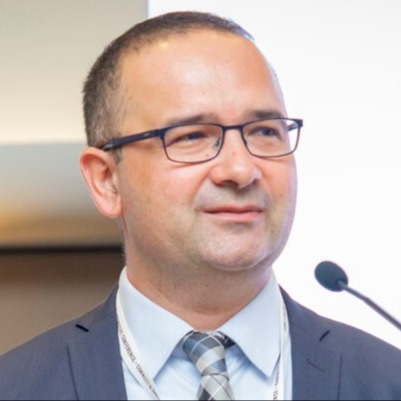
Tomislav Knežević was born in 1974 in Berlin. He graduated from the Faculty of Political Sciences at the Free University of Berlin. After completing his studies, he returned to Belgrade. Since 2003 he has been working for the German Development Cooperation on projects that primarily deal with the development of the economic sector in Serbia. Over the course of his twenty-year career with German Development Cooperation, Tomislav has worked closely with various ministries of the Republic of Serbia on the preparation of key strategic documents for the development of the small and medium-sized enterprises (SME) sector. Among the most significant are the Strategy for Industrial Policy of Serbia, the Strategy for the Development of SMEs and Entrepreneurship, and the Strategy for Tourism Development in Serbia. Particularly important in his work is the cooperation with the Chamber of Commerce and Industry of Serbia, the Development Agency of Serbia, companies, clusters and non-governmental organizations all with the aim of creating the best possible economic environment for the development of companies and entrepreneurship. In addition to the projects financed by the Government of the Federal Republic of Germany, Tomislav worked on the implementation of the project financed by the European Union "EU - for cultural heritage and Tourism in Serbia". Since the beginning of 2024, Tomislav has been the team leader of the new Green Economy project that is implemented by GIZ on behalf of the German Federal Ministry for Economic Cooperation and Development (BMZ). The central themes of the project are support to SMEs in accepting and implementing global challenges and trends such as the green and digital transition, as well as support for the development of innovations by Serbian enterprises in these areas. Tomislav is married and has two daughters.
Wednesday 17
11.00 - 11.45
European Funding: Fostering Development in the Western Balkans
Metropol Palace Hotel
In 2024, the European Investment Bank and the European Bank for Reconstruction and Development significantly increased their funding for the Western Balkans, primarily focusing on sustainable projects and the private sector, with a notable emphasis on Serbia.